


Could Your Knee Pain Be a Meniscus Injury?
A meniscus problem can make you lose confidence in movements you previously didn’t think twice about.
Common symptoms include:- Pain when twisting or changing direction
- Pain during squatting or deep bending
- Swelling or stiffness
- Difficulty fully bending or straightening the knee
- Clicking or catching
- Pain running or playing sport
- Reduced confidence loading the leg
Some people already have an MRI confirming a meniscus tear. Others simply know their knee doesn’t feel right.
Either way, the first step is understanding what’s actually happening.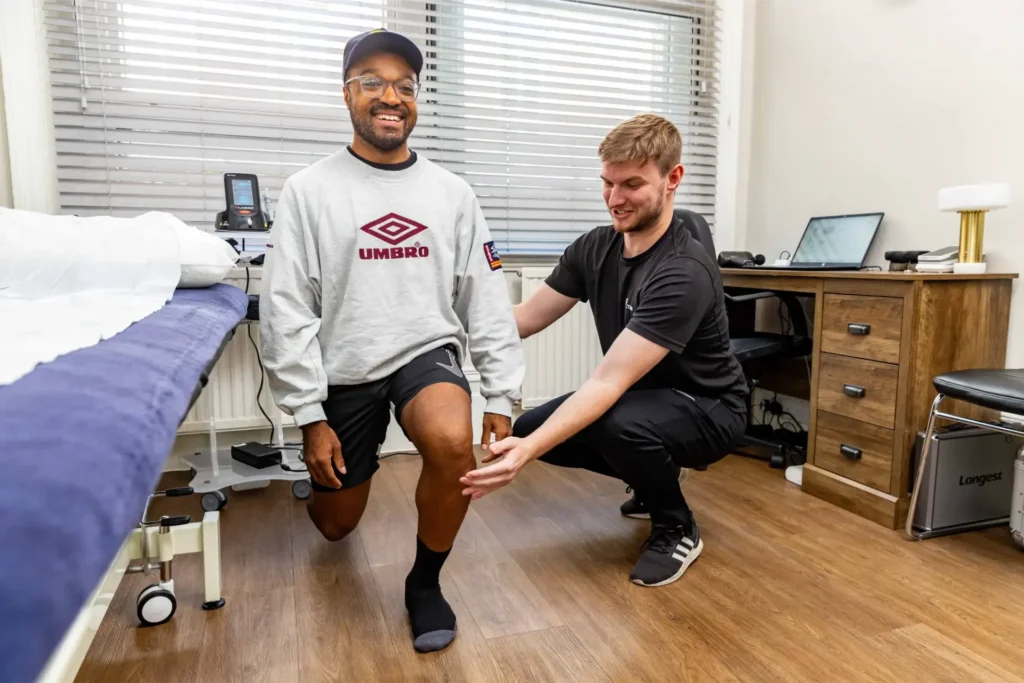
How We Treat Meniscus Injuries
Diagnose
We assess your knee movement, strength, stability and symptoms to determine whether your problem is consistent with a meniscus injury.
Treat
We work on reducing pain, improving movement and helping your knee tolerate everyday activity more comfortably.
Correct
We progressively rebuild strength and control around the knee, hip and lower leg.
Enhance
We prepare your knee for walking, running, lifting, changing direction or returning to sport.
Your First Appointment
Your first appointment is 60 minutes and designed to give you answers from day one.
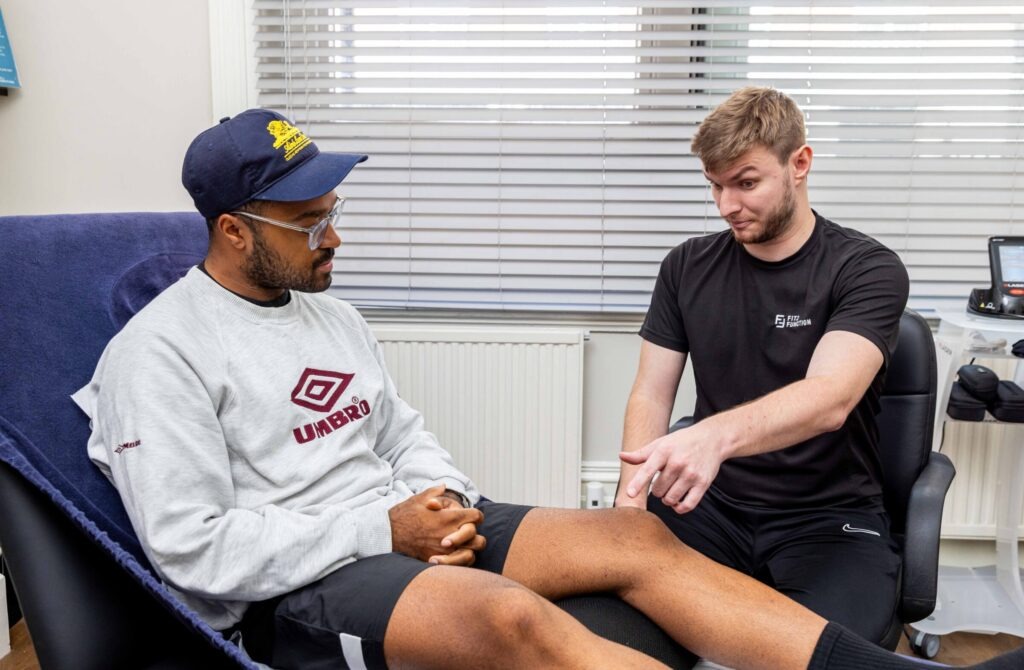
We’ll discuss how your symptoms started, assess your knee and relevant movements and explain what we think is causing the problem.
You will receive:- Comprehensive knee assessment
- Clinical testing of relevant knee structures
- Clear explanation of the likely diagnosis
- Treatment where appropriate
- Structured rehabilitation plan
- Guidance on what you should and shouldn't currently be doing
If further investigation or medical assessment is appropriate, we’ll explain why.
You won’t leave simply being told to rest. You’ll leave understanding the problem and what happens next.
What Is a Meniscus Tear?
The menisci are two C-shaped pieces of fibrocartilage inside the knee that help distribute load through the joint.
Meniscus problems can develop through a sudden twisting injury or gradually over time.
Symptoms commonly include pain, swelling, stiffness and discomfort during twisting, squatting or deep bending.
But a meniscus tear on a scan doesn’t automatically tell us how much of your pain is coming from it or what treatment you need.
That’s why we assess the person and the knee, not simply the scan.Does a Meniscus Tear Need Surgery?
Not always.
Many meniscus problems can be managed without surgery.
The appropriate pathway depends on how the injury happened, your symptoms, knee function, the type of tear and what you’re trying to return to.
Where appropriate, rehabilitation may include:- Managing pain and swelling
- Restoring knee movement
- Progressive leg strengthening
- Balance and control work
- Gradual progression of squatting and loading
- Running rehabilitation
- Change-of-direction and sport-specific work
If we think imaging or further medical assessment is required, we’ll tell you.
Our job isn’t to keep you away from activity. It’s to progressively rebuild what your knee can tolerate.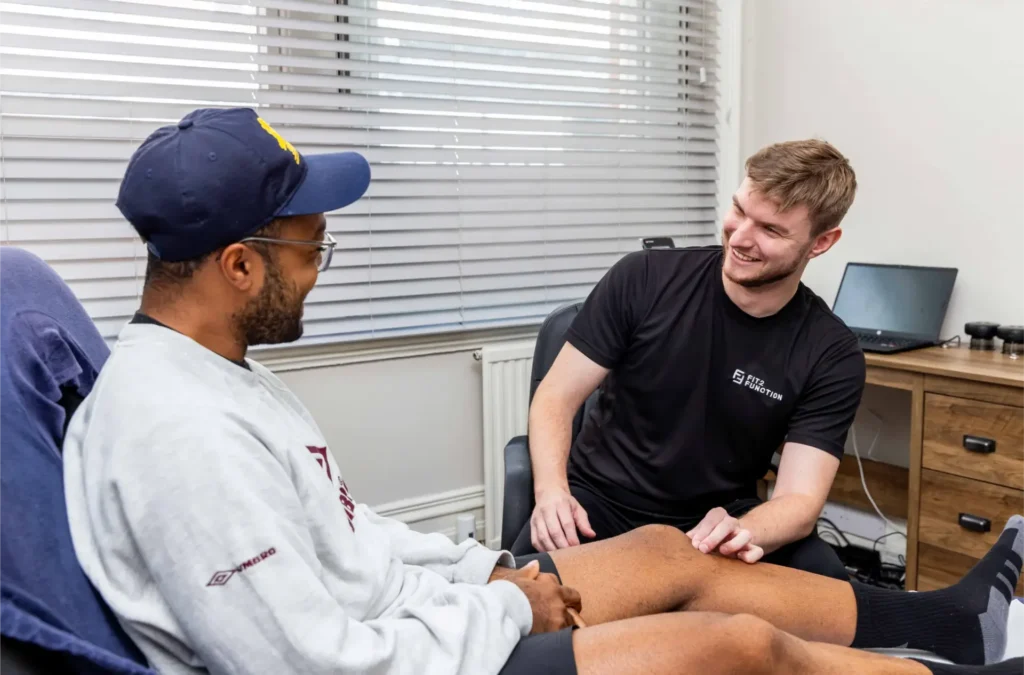
Why Choose Fit2Function?
Since 2017, we’ve helped thousands of people across London recover from pain and injury and return to full function.
Why patients choose us:- 60-minute appointments
- Experienced practitioners
- Comprehensive knee assessment
- Clear diagnosis and explanation
- Treatment from your first appointment where appropriate
- Structured rehabilitation programmes
- Gym-based rehabilitation
- Covent Garden clinic
- 5.0 rating and 400+ five-star reviews
We don’t just want your knee pain to reduce.
We want to make sure it is fully ready to tolerate the stresses of everyday life.If further investigation or medical assessment is appropriate, we’ll explain why.
You won’t leave simply being told to rest. You’ll leave understanding the problem and what happens next.

Meniscus Tear FAQs
Can a meniscus tear heal without surgery?
Can physiotherapy help a meniscus tear?
How do I know if I've torn my meniscus?
How long does a meniscus tear take to recover?
Does clicking mean I've torn my meniscus?
Meniscus Tear? Start With a Clear Assessment
If you’re worried you’ve injured your meniscus, or already have a diagnosis and don’t know what to do next, start by understanding your knee properly.
Book your first appointment today and get a clear diagnosis, effective treatment and structured recovery plan from day one.