


Rotator Cuff Pain That Keeps Coming Back?
Rotator cuff problems can improve with rest, however they often return when you start lifting, training or using your shoulder normally again.
People with Rotator Cuff injuries often notice:- Pain lifting or reaching overhead
- Pain sleeping on the injured side
- Weakness when lifting or carrying
- Pain during gym exercises
- Reduced shoulder movement
- Pain that improves with rest but returns with activity
The problem is that less pain doesn’t always mean the shoulder has fully recovered.
We assess your shoulder movement, strength and load tolerance, so we can identify what’s causing the problem and what needs to change.
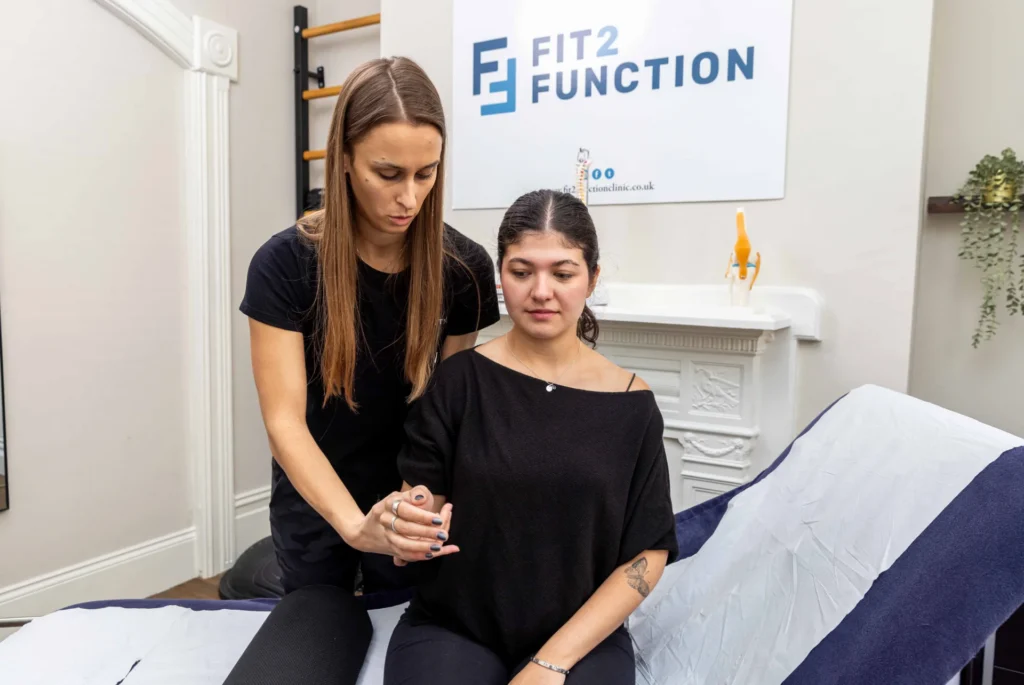
How We Treat Rotator Cuff Injuries
Diagnose
We assess your shoulder movement, rotator cuff strength, joint function and symptoms to establish what is causing your pain.
Treat
We reduce pain and restore comfortable movement using hands-on treatment and other therapies where appropriate.
Correct
We progressively rebuild rotator cuff strength, shoulder control and your ability to tolerate load.
Enhance
We prepare your shoulder for what you actually need it to do, whether that's work, lifting, the gym or sport.
Your First Appointment
Your first appointment is 60 minutes and is designed to give you answers from day one.
We’ll assess your shoulder, explain what we think is causing the problem and start building your recovery plan.
You will receive:- Comprehensive shoulder assessment
- Rotator cuff strength and movement testing
- Clear explanation of the likely diagnosis
- Treatment in your first session where appropriate
- A structured plan for what happens next
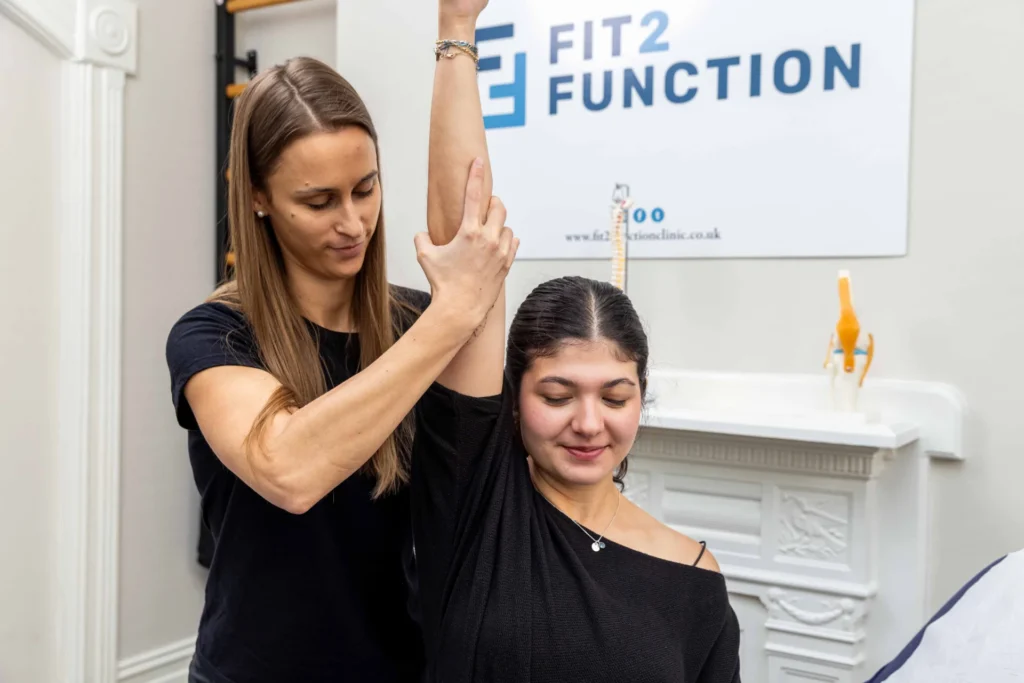
What Is a Rotator Cuff Injury?
The rotator cuff is a group of muscles and tendons that help stabilise your shoulder and control your arm during reaching, lifting and rotation.
Problems can develop when these tissues become irritated, overloaded or injured.
Common problems include:- Rotator cuff tendinopathy
- Rotator cuff strains
- Partial or full-thickness tears
- Rotator cuff-related shoulder pain
Symptoms often include pain lifting the arm, weakness, night pain and difficulty with overhead movements.
Importantly, shoulder pain doesn’t automatically mean you’ve torn your rotator cuff. Several shoulder conditions can cause similar symptoms, which is why an accurate assessment matters.
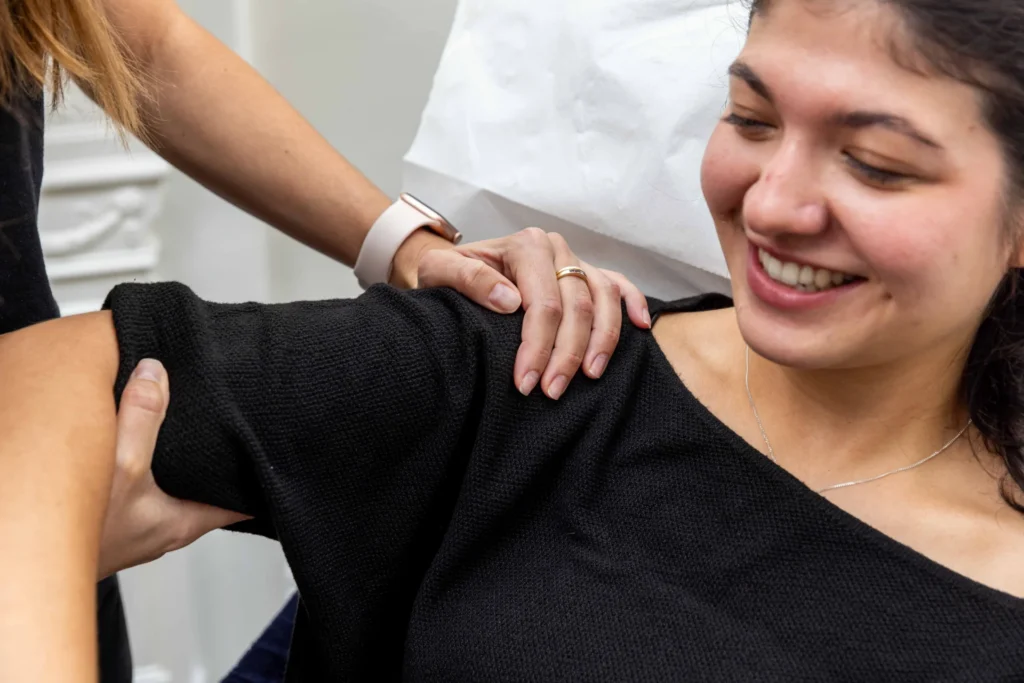
Does a Rotator Cuff Tear Need Surgery?
Not necessarily.
The word “tear” can sound worrying, but many rotator cuff problems can be managed conservatively with appropriate physiotherapy and progressive rehabilitation.
Your treatment may include:- Hands-on treatment
- Progressive rotator cuff strengthening
- Shoulder control exercises
- Load management
- Exercise rehabilitation
- Gradual return to lifting, gym or sport
If your assessment suggests further investigation is appropriate, we’ll explain that clearly.
The goal isn’t simply to make your shoulder hurt less. It’s to progressively rebuild what your shoulder can do.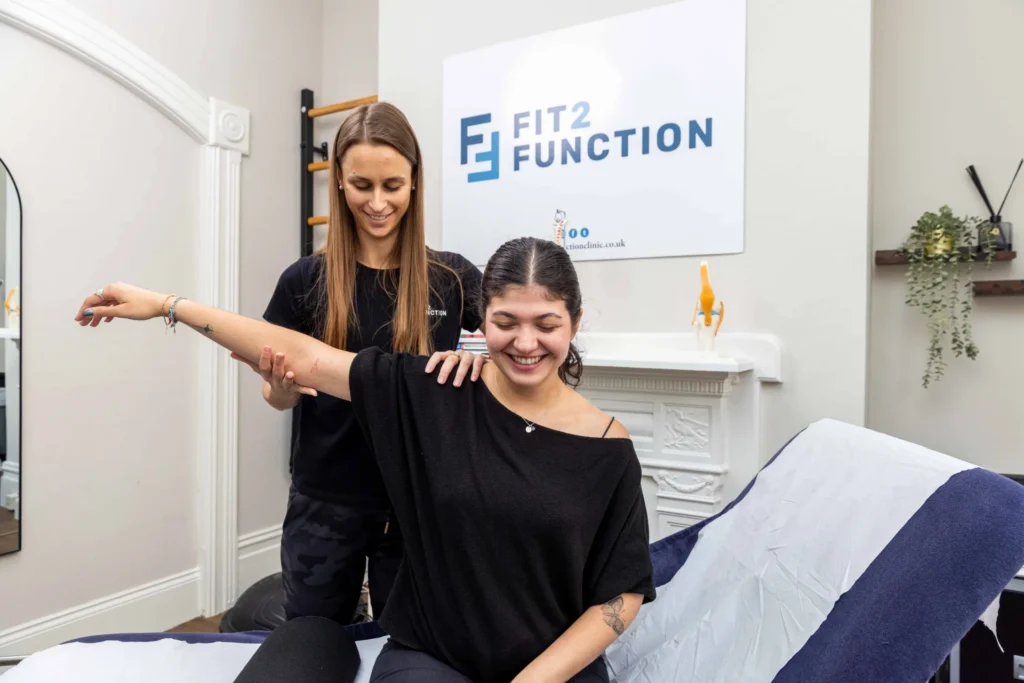
Why Choose Fit2Function?
Since 2017, we’ve helped thousands of people across London recover from pain and injury and return to full function.
Why patients choose us:- 60-minute appointments
- Experienced practitioners
- Clear diagnosis and explanation
- Treatment from your first appointment where appropriate
- Structured rehabilitation plans
- Covent Garden loctation
- 5.0 rating and 400+ five-star reviews
We don’t want you endlessly managing your shoulder.
We want you to be confident using it again.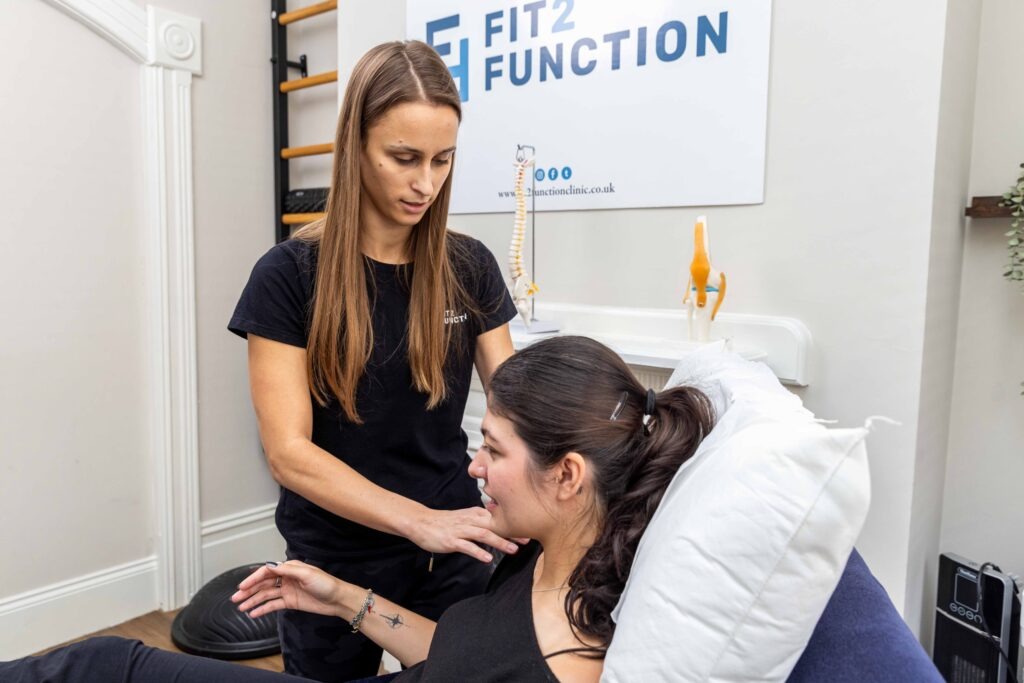
Rotator Cuff FAQs
Can physiotherapy help a rotator cuff injury?
How do I know if I've torn my rotator cuff?
How long does a rotator cuff injury take to recover?
Should I exercise with rotator cuff pain?
Do rotator cuff tears always require surgery?
Ready to Get Your Shoulder Strong Again?
If shoulder pain is affecting your sleep, work, gym or sport, stop guessing what’s wrong.
Book your first appointment today and get a clear diagnosis, effective treatment and structured recovery plan from day one.